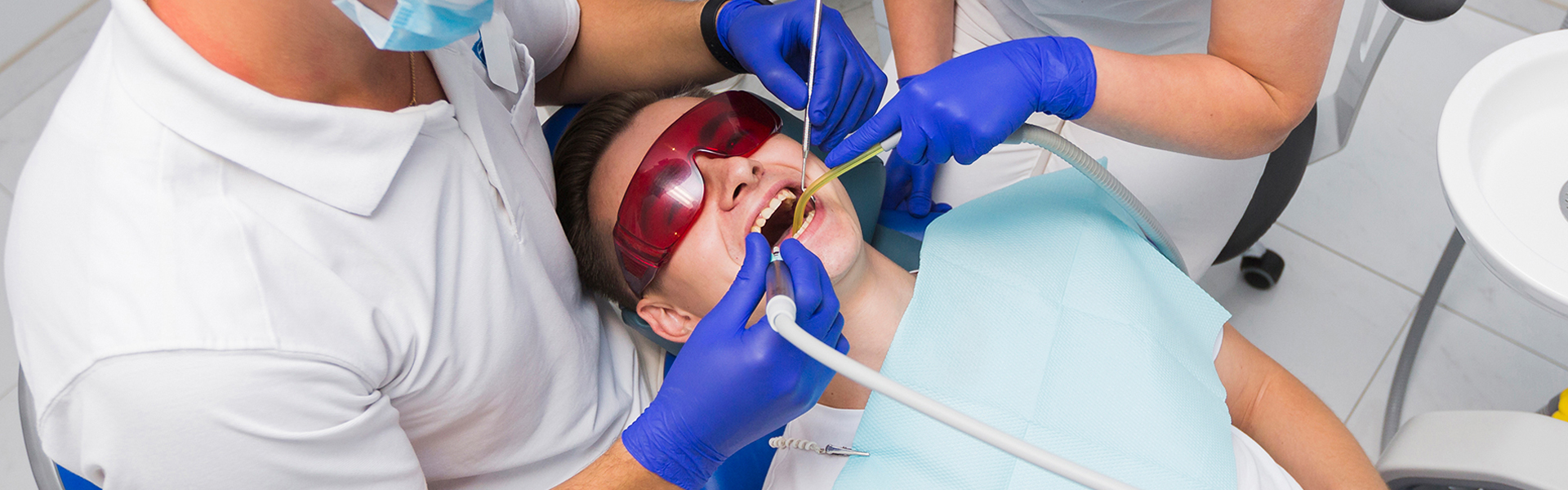
What to Expect During a Periodontal Surgery Appointment

Feeling uneasy about your upcoming gum surgery? You’re not alone! Many patients feel anxious before undergoing periodontics treatment in Houston, TX. But here’s the good news—knowing exactly what to expect can erase your worries. Keep reading for a friendly, reassuring guide that’ll turn your concerns into confidence and help you walk into your appointment relaxed and ready.

Understanding Periodontal Surgery

When gum disease goes unchecked, it can creep below the surface. That’s where periodontal surgery comes in—it tackles the deeper infection that brushing and flossing can’t fix.

Here’s what this type of surgery usually targets:

  • Gum pockets that trap bacteria
  • Bone loss around the teeth
  • Receding gums, which may expose more of your teeth and cause heightened sensitivity

Depending on your needs, your periodontist might recommend one of several procedures:

  • Flap surgery – the gums are lifted to clean deep tartar
  • Bone grafting – bone is added to areas where it’s deteriorated
  • Soft tissue grafting – tissue is taken from another area to cover exposed roots
  • Guided tissue regeneration encourages the regrowth of bone and tissue.

This isn’t one-size-fits-all. Your Houston dentist or periodontist will suggest a plan tailored to your mouth.

Preparing for Your Appointment

The process starts with a consultation. Think of it like mapping out a road trip—you’ll go over X-rays, gum measurements, and the overall treatment plan.

Your prep checklist may include:

  • Pre-op medications: Antibiotics or special rinses might be prescribed
  • Fasting: If sedation is used, you might need to avoid food or drink.
  • Transportation: You’ll need someone to drive you home
  • Loose, comfy clothes: Especially if you’re opting for sedation

đź’ˇ Tip: Ask about what you should eat the day before. Soft foods like yogurt, soup, and smoothies are your best friends for recovery.

It’s natural to feel nervous, especially if it’s your first time. Talk with your provider about those jitters. Knowing what’s ahead helps reduce stress.

 The Day of the Surgery

Surgery day isn’t as scary as you think, especially when you come prepared.

Bring:

  • Your ID and insurance card
  • Any prescribed medications
  • A small pillow or blanket if you’ll be there for a while

Dress:

Opt for short sleeves if IV sedation is planned. Avoid makeup or strong fragrances.

What to expect, step-by-step:

  1. Numbing up: You’ll get local anesthesia or sedation. You won’t feel pain—just some pressure.
  2. The procedure: Your periodontist will carefully lift the gums, clean the roots, reshape or repair bone, or place grafts as needed.
  3. Closing up: The area may be stitched, and you’ll be given gauze to bite on to help stop any bleeding.
  4. Recovery instructions: These will be explained clearly before you leave.

Most procedures take 1 to 2 hours. You might feel groggy afterward, so having someone drive you is a must.

Recovery and Aftercare

Once you’re home, the real healing begins. And yes—it’s normal to feel a little sore or swollen.

Here’s what you can expect:

  • Slight bleeding or tenderness on the first day
  • Swelling that peaks after 24–48 hours
  • Minor bruising, depending on the extent of surgery

Your care routine might include:

  • Cold compresses for swelling
  • Soft food diet: Think mashed potatoes, scrambled eggs, smoothies
  • Gentle brushing: Avoid the surgical area at first, but keep the rest clean
  • Medications: Take pain relievers or antibiotics exactly as prescribed

đźš© Call a dentist near you if you notice:

  • Severe pain after 48 hours
  • Pus or foul smell
  • Excessive bleeding that won’t stop

Pro tip: Keep a recovery kit ready—soft toothbrush, extra gauze, salt water rinse, and over-the-counter pain meds.

Long-Term Benefits and Results

Here’s the good news: this isn’t just about fixing today’s problems—it’s about protecting your teeth for the long haul.

Long-term benefits include:

  • Healthier gums and reduced inflammation
  • Better breath—because bacteria aren’t lurking in deep pockets anymore
  • Stronger support for your teeth, reducing the risk of future tooth loss
  • Improved confidence in your smile

Healing takes time, but the results speak for themselves. Most patients see big improvements in both comfort and appearance.

Final Thoughts

Periodontal surgery doesn’t have to feel overwhelming when you’re informed and prepared. From consultation to recovery, understanding each step ensures a smoother, stress-free experience and lasting results. At OASIS Modern Dentistry, we provide compassionate care tailored just for you. Schedule your appointment now and begin your path to improved gum health and renewed confidence.

The Dental Bridge Procedure: What to Expect

Losing a tooth isn’t just about looks—it affects how you eat, speak, and feel about yourself. Thankfully, dental bridges provide a reliable solution to fill the gap, hence restoring your smile and confidence. This guide walks you through every step of the process so you know exactly what to expect before, during, and after getting a dental bridge.

Understanding Dental Bridges

1. What Is a Dental Bridge?

A dental bridge is a highly customized appliance designed to replace one or more lost teeth. It literally “bridges” the gap using artificial teeth anchored by the neighboring natural teeth or dental implants. The outcome is a smile that feels comfortable and looks completely natural.

2. Why a Dental Bridge May Be Necessary

  • Restoring Your Smile: Filling in the gap where teeth are missing keeps the rest of your teeth from shifting out of place.
  • Maintaining Bite Balance: A gap can cause bite issues, leading to jaw pain and discomfort over time.
  • Improving Speech and Chewing: Missing teeth affect pronunciation and make eating certain foods tricky.
  • Boosting Confidence: A complete smile naturally lifts your confidence and self-esteem.

3. Types of Dental Bridges

  • Traditional Bridge: Crowns on both sides of the gap to anchor the artificial tooth. This is the most common type.
  • Cantilever Bridge: Anchored on one side only, suitable when only one adjacent tooth is present.
  • Maryland Bridge: Attached to the back of nearby teeth with metal or porcelain wings. It’s less invasive but less durable.
  • Implant-Supported Bridge: Replaced with dental implants rather than natural teeth. Ideal for multiple missing teeth but requires a longer treatment time.

Factors to Consider:

  • Number of missing teeth
  • Condition of surrounding teeth
  • Budget and insurance coverage
  • Personal preference and lifestyle

The Dental Bridge Procedure: Step-by-Step

1. Initial Consultation

Your journey begins with an appointment with a Houston dentist who will examine your teeth, take X-rays, and discuss your treatment options. It’s important to take this step to decide if a dental bridge is the most suitable solution for you.

During the consultation:

  • Your oral health is evaluated.
  • The dentist explains the types of dental bridges suitable for you.
  • An impression or digital scan may be taken for a precise fit.

2. Tooth Preparation

To place a dental bridge in Houston, TX, the adjacent teeth (known as abutment teeth) need to be prepared. This involves reshaping them to accommodate crowns that will support the bridge. Don’t worry—local anesthesia ensures you stay comfortable throughout.

Here’s what to expect:

  • Reshaping Teeth: The dentist trims a small portion of the enamel.
  • Local Anesthesia: This keeps the area numb so you don’t feel any pain.
  • Temporary Bridge: A temporary bridge is inserted to shield the exposed teeth and gums while the permanent one is done.

3. Impressions or Digital Scanning

Accuracy is key for a comfortable and functional bridge. Impressions or digital scans are taken to create a model of your mouth.

  • Traditional Impressions: A mold is made using dental putty.
  • Digital Scans: Advanced scanners capture a 3D image of your teeth for precise customization.

4. Temporary Bridge Placement

To protect your gums and prepare teeth, a temporary bridge is fitted as you await the permanent one.

Tips for caring for your temporary bridge:

  • Avoid too sticky or hard foods that can dislodge it.
  • Brush gently around the temporary bridge.
  • Use mouthwash to maintain oral hygiene.

5. Fitting and Placement of the Permanent Bridge

Once the permanent bridge is ready, it’s time for the final fitting. During this visit:

  • The dentist checks the fit, comfort, and bite.
  • Minor adjustments may be made for optimal comfort.
  • Once satisfied, the bridge is cemented using a strong dental adhesive.

Aftercare and Recovery

1. Immediate Post-Procedure Care

After the procedure, it’s normal to feel mild discomfort or sensitivity. Here’s how to manage it:

  • Over-the-counter pain relievers help ease any discomfort.
  • Avoid hot or cold foods for the first few days to reduce sensitivity.
  • If discomfort persists, contact a dentist near you for further advice.

2. Long-Term Maintenance

Maintaining your dental bridge properly ensures it lasts longer. Here’s what you can do:

  • Brush twice a Day: Use a soft-bristled toothbrush to clean around the bridge.
  • Floss Daily: Use floss threaders or interdental brushes to clean under the bridge.
  • Regular Check-Ups: Go to your dentist twice a year for professional cleaning and check-ups.

3. Dietary Considerations

Your eating habits can impact the durability of your bridge. To keep it in great shape:

  • Avoid sticky foods (e.g., chewing gum) that could pull the bridge off.
  • Limit hard foods like nuts or ice that can crack the bridge.
  • Opt for a nice, balanced diet rich in vitamins and minerals to support whole oral health.

4. Follow-Up Visits

Regular check-ups are essential to monitor the bridge’s condition and ensure the supporting teeth and gums stay healthy.

  • The first follow-up is usually scheduled within a few weeks after placement.
  • Your dentist will check the fit, alignment, and overall comfort.
  • Ongoing visits every six months help maintain the health of the bridge and surrounding teeth.

Final Thoughts

A dental bridge can preserve your smile, confidence, and oral function. By knowing what to expect and following proper aftercare, you’ll enjoy long-lasting results. Ready to take the next step? OASIS Modern Dentistry is here to guide you through the process with personalized care. Schedule a consultation today and rediscover your confident smile!

What is Invisalign? Everything You Need to Know

Invisalign offers a modern, comfortable solution for straightening teeth. It makes use of customized, clear aligners, hence providing an effective alternative to traditional braces. The aligners are close to being invisible, making them quite a popular choice for patients looking for a more discreet way to improve and beautify their smiles.

How Invisalign Works

Invisalign treatment begins with advanced digital imaging technology, which ensures a customized plan for each patient’s unique needs.

  • 3D Imaging and Aligner Customization:

Invisalign uses detailed digital scans to create a 3D model of the teeth. This model maps out the movements needed to achieve the desired alignment. Based on this, a set of aligners is created, each designed to make minor adjustments to tooth position.

  • Sequential Aligner System:

Each aligner is worn for about two weeks, gently shifting teeth into place. Patients progress through the aligners in a specific order until the final result is achieved. For those considering Invisalign in Houston, TX, this method offers a predictable and efficient way to achieve a straighter smile.

Benefits of Invisalign

Invisalign provides several advantages, making it a popular choice among patients:

  • Aesthetic Appeal:

The aligners are clear and blend seamlessly with the teeth. This feature makes them a wonderful choice for adults and teens who prefer to have a subtle orthodontic solution.

  • Removability:

Unlike traditional braces, Invisalign aligners are removable. Thus, patients can eat their favorite foods and maintain their oral hygiene routines without any hassle.

  • Comfort:

Made from smooth plastic, the aligners eliminate the irritation often caused due to metal brackets and wires.

  • Fewer Dental Visits:

Invisalign requires fewer adjustment appointments, making it convenient for busy schedules.

Invisalign offers an effective solution for those searching for a dentist in Houston without disrupting daily life.

Who Can Benefit from Invisalign?

Invisalign is best for treating a variety of orthodontic issues, including:

  • Crooked or crowded teeth
  • Gaps between teeth
  • Minor overbites, underbites, or crossbites

Patients with mild to moderate alignment issues often find Invisalign an excellent choice. However, severe orthodontic problems may require alternative treatments. A Houston Dentist can evaluate your dental condition to determine if Invisalign is the right fit.

What to Expect During Invisalign Treatment

The Invisalign process is straightforward, focusing on patient comfort and convenience.

  • Initial Consultation:

A detailed check-up of the teeth and jaw is performed. X-rays or 3D scans help create a customized treatment plan.

  • Receiving Aligners:

Patients receive their first set of aligners and instructions on how to wear and care for them.

  • Regular Progress Checks:

Follow-up visits every 6-8 weeks ensure the treatment progresses as planned.

  • Completion:

Once treatment is complete, patients are often given retainers to maintain their results.

Patients who prioritize aesthetics and convenience often prefer Invisalign. Consulting a provider offering Invisalign in Houston, TX, ensures the treatment aligns with individual goals and lifestyles.

Patient Responsibilities with Invisalign

Invisalign’s success depends on commitment and proper care. Patients should:

  • Wear Aligners Consistently:

Aligners must ideally be worn for 20-22 hours daily for the best results. Removing them too often can delay progress.

  • Maintain Oral Hygiene:

Brush and floss after meals before wearing the aligners back in. This prevents plaque buildup and ensures a clean fit.

  • Clean the Aligners:

Rinse aligners regularly and clean them with a soft brush to avoid staining.

  • Follow the Dentist’s Instructions:

Adhering to the treatment plan helps achieve the desired results within the expected timeframe.

Limitations of Invisalign

While Invisalign is effective in many cases, it does have limitations:

  • It may not be suitable for severe alignment issues or jaw discrepancies.
  • Tooth movements like significant rotations or large adjustments may require traditional braces.
  • The treatment relies heavily on patient compliance, failure to wear the aligners as advised can impede progress.

A consultation with a Houston Dentist helps determine if Invisalign can address specific orthodontic needs.

Caring for Aligners

Taking proper care of aligners ensures effective treatment and prolongs their lifespan:

  • While using aligners, limit your intake of water.
  • Store aligners in their case when not in use to prevent damage.
  • Use specialized cleaning solutions or mild soap to keep aligners clear and odor-free.

These simple practices keep the aligners in excellent condition throughout the treatment.

Why Choose Invisalign at OASIS Modern Dentistry?

OASIS Modern Dentistry provides personalized Invisalign treatment tailored to each patient’s needs. Focusing on comfort, efficiency, and results, the clinic offers a supportive environment where patients can achieve their ideal smile. For those searching for Invisalign in Houston, TX, the OASIS Modern Dental team is committed to delivering exceptional care and lasting results.

Conclusion

Invisalign offers a modern, discreet way to straighten teeth and improve oral health. With clear aligners, patients can attain their dream smiles without the hassle of traditional braces. Whether addressing mild misalignment or enhancing overall aesthetics, Invisalign provides a comfortable and effective solution.

For expert Invisalign treatment, consult OASIS Modern Dentistry, a trusted dentist in Houston dedicated to creating beautiful, confident smiles. Schedule your consultation today to explore how Invisalign can transform your smile.

Teeth Whitening: A Comprehensive Guide

Having a radiant smile can enhance your confidence and create a lasting impact. Teeth whitening is a popular solution to tackle stains and discoloration, helping you obtain a glowing smile. This guide will explain everything you need to know about the causes of discoloration, how whitening works, and what to expect during your treatment.

What Causes Tooth Discoloration?

Tooth discoloration happens for various reasons, and knowing the cause can help determine the best whitening method for you.

  • Food and Drinks: Coffee, tea, red wine, and certain foods can stain the enamel over time.
  • Smoking or Tobacco Use: Nicotine leaves behind stubborn yellow or brown stains.
  • Aging: The enamel naturally thins as we age, revealing the yellowish dentin underneath.
  • Medications: Some antibiotics and treatments, like chemotherapy, can lead to intrinsic discoloration.
  • Poor Oral Hygiene: Skipping, brushing, and flossing enables plaque and tartar to build up, causing surface stains.

Understanding the root cause helps a dentist near you recommend the most effective whitening approach.

How Does Teeth Whitening Work?

Teeth whitening uses active agents, such as hydrogen peroxide or carbamide peroxide, in order to break down stains on your enamel and dentin. The whitening process involves oxidizing stain molecules, making them less visible.

Professional whitening treatments, like those offered by a Houston dentist, are more effective than over-the-counter options because they use higher concentrations of whitening agents under controlled conditions. This ensures safe, noticeable results tailored to your needs.

How to Prepare for a Whitening Appointment

Proper preparation ensures your teeth are ready for whitening and reduces the chances of sensitivity afterward. Here’s how you can get ready:

  • Schedule a Checkup: A thorough exam with a Houston dentist ensures your teeth are healthy enough for whitening. Address any cavities or gum issues first.
  • Professional Cleaning: Removing plaque and tartar allows the whitening agents to penetrate evenly.
  • Avoid Staining Foods: Avoid coffee, tea, or wine in the days leading up to your appointment.
  • Discuss Sensitivity Concerns: Talk to your dentist about desensitizing options or fluoride treatments beforehand if you have sensitive teeth.

The Step-by-Step Process of In-Office Whitening

Professional in-office whitening delivers fast and dramatic results. Here’s what you can expect during your treatment for teeth whitening in Houston, TX:

Initial Consultation

Your dentist evaluates your teeth, discusses your whitening goals, and identifies the type of stains you have. They’ll determine if professional whitening is the right choice for you.

Preparation

Before applying the whitening solution, your gums and surrounding tissues are protected with a barrier to prevent irritation.

Application of Whitening Gel

A professional-grade whitening gel, often hydrogen peroxide, is applied to your teeth.

Activation

Certain treatments may entail using a specialized light or laser to boost the efficacy of the whitening agent.

Rinse and Repeat

The gel is removed to attain the intended level of brightness; this action can be performed multiple times throughout the session.

Post-Treatment Care

After the procedure, your dentist provides instructions on avoiding staining foods and maintaining your results.

Safety and Aftercare Tips

Professional whitening is safe when performed by a trained expert, but aftercare is essential to prolong your results:

  • Refrain from consuming dark-hued foods and beverages, coffee, tea, or wine, for at least 48 hours.
  • Stick to a soft-bristle toothbrush and non-abrasive toothpaste to keep your enamel strong.
  • Stay consistent with brushing, flossing, and regular cleanings at OASIS Modern Dentistry to keep your smile bright.

Lastly, schedule routine cleanings and checkups with a dentist near you to ensure your teeth stay healthy and your whitening results last longer. Your dentist may also recommend occasional touch-ups to keep your smile looking its best.

Conclusion

Teeth whitening is a secure and efficient method to enhance the aesthetic of your smile. Whether dealing with surface stains or deeper discoloration, consulting with a trusted provider like OASIS Modern Dentistry ensures the best results. Talk to a professional about your whitening options and enjoy the confidence of a brighter, healthier smile.

How to Achieve the Best Results with Invisalign

Invisalign has become a trusted option for straightening teeth, offering a clear and comfortable alternative to traditional braces. While it’s effective for many orthodontic cases, achieving the best results requires careful planning, commitment, and regular monitoring. This guide provides key insights into optimizing your Invisalign treatment for the smile you’ve always wanted.

  1. Understanding Invisalign’s Strengths and Limitations

Invisalign is designed to handle various orthodontic issues but works best for specific types of tooth movements.

  • Strengths:
    • Corrects mild to moderate crowding and spacing.
    • Aligns front teeth effectively.
    • Closes minor gaps and corrects some rotational issues.
  • Limitations:
    • It is less effective for large rotational corrections or severe bite problems.
    • It may not address significant vertical discrepancies.

For complex cases, your orthodontist might recommend combining Invisalign with additional treatments. Patients exploring Invisalign in Houston, TX, often benefit from understanding these capabilities to align expectations with outcomes.

  1. Selecting the Right Candidates for Invisalign

Only some orthodontic issues can be solved with Invisalign, so patient selection is crucial.

  • Ideal Candidates:
    • Adults or teens with mild to moderate malocclusions.
    • Patients are seeking a discreet treatment option.
    • Individuals who can commit to wearing aligners for 20-22 hours daily.
  • Challenging Cases:
    • Severe bite issues require significant jaw adjustments.
    • Teeth need major vertical movements or extractions.

Discussing your needs with a trusted dentist in Houston, TX, can help you determine if Invisalign is the right choice for you.

  1. Importance of a Detailed Treatment Plan

A well-structured treatment plan ensures the aligners work as intended.

  • Digital Imaging: Advanced 3D scanning technology maps your teeth ‘ position and predicts the necessary movements.
  • Customized Aligners: Each set of aligners is designed to shift teeth toward their optimal positions gradually.
  • Monitoring Progress: Regular check-ins allow your dentist to assess progress and adjust if needed.

Patients searching for a dentist near me often prioritize practices using the latest technology for precise and effective treatment planning.

  1. Commitment to Wearing Aligners

Consistency is imperative when it comes to Invisalign.

  • Wear Aligners Daily: Keep them in place for 20-22 hours daily. Remove only for eating, drinking, and cleaning.
  • Follow the Schedule: Switch to the next aligner in the series as directed to ensure steady progress.
  • Maintain Oral Hygiene: Brush and floss consistently to keep teeth and aligners clean.

Skipping wear time can delay results and prolong treatment. Staying consistent helps you achieve your goals on schedule.

  1. Enhancing Effectiveness with Attachments and Refinements

Attachments and refinements are often part of the Invisalign process.

  • Attachments: Small, tooth-colored buttons are placed on specific teeth to help aligners grip and move them more effectively.
  • Refinements: Additional aligners may be required toward the end of treatment to address minor adjustments.

These tools ensure precise movements and a polished final result.

  1. Tips for Successful Invisalign Treatment

Simple routines can have a significant impact on the effectiveness of your treatment.

  • Keep Aligners Clean: Rinse them under lukewarm water and brush gently with a soft toothbrush.
  • Avoid Hot Beverages: Remove aligners when drinking anything hot to prevent warping.
  • Use a Case: Always store aligners in their case to avoid losing or damaging them.

Following these tips helps keep aligners in top condition and ensures they work effectively throughout the treatment.

  1. Comparing Invisalign to Traditional Braces

While Invisalign is a popular choice, it’s essential to understand how it compares to braces.

  • Advantages of Invisalign:
    • Clear and discreet design.
    • Removable, allowing easier eating and cleaning.
    • Comfortable with no metal wires or brackets.
  • Advantages of Braces:
    • Effective for complex orthodontic issues.
    • Greater control over significant tooth movements.

Your dentist at OASIS Modern Dentistry can guide you through decision-making, making sure you choose the best option for your needs.

  1. Long-Term Success After Invisalign

Maintaining your results after completing Invisalign treatment is as important as the process.

  • Retainers: Wearing a retainer prevents teeth from shifting back to their original positions.
  • Regular Dental Visits: Schedule check-ups to monitor your oral health and ensure your teeth align.
  • Good Habits: Continue practicing excellent oral hygiene and avoid habits like nail-biting or chewing on hard objects.

A proactive approach ensures your smile remains beautiful and healthy for years.

Conclusion

Achieving the best results with Invisalign requires commitment, careful planning, and regular monitoring. By understanding the system’s strengths and limitations, wearing aligners as directed, and maintaining good orodental hygiene, you can achieve a straighter, healthier smile.

At OASIS Modern Dentistry, patients receive personalized care and advanced treatment planning to maximize Invisalign’s effectiveness. To find out how Invisalign can help you, make an appointment for a consultation right now if you’re prepared to change the way your smile looks.

Teeth Whitening: Everything You Need to Know

Whiter teeth are a confidence booster, and whitening your teeth is an easy way to get that smile! Over time, teeth can lose their natural color due to various factors. This blog shares insights into the essentials of teeth whitening—from why it’s popular to how it can benefit you. Let’s get started on your journey to a whiter, brighter smile!

What Is Teeth Whitening?

Teeth whitening is a straightforward process designed to lighten the color of your teeth, often by removing surface stains and lightening deep-set stains. Whether you’re a coffee enthusiast, a wine lover, or a smoker, these habits can cause discoloration over time. Even age plays a role in dulling that natural shine.

  • How It Works: Teeth whitening typically involves applying a whitening agent (like hydrogen peroxide) to your teeth. This agent breaks down stains, revealing a brighter color underneath. In-office treatments often use stronger formulas than at-home kits, leading to more immediate results.
  • Common Causes of Stained Teeth:
  • Food and Drinks: Dark beverages like coffee, tea, red wine, and even certain foods can stain teeth.
  • Tobacco: Both cigarettes and chewing tobacco are major culprits in teeth discoloration.
  • Aging: The outer layer of dental enamel wears down with time, making the yellowish dentin beneath more visible.
  • Poor Oral Hygiene: Inconsistent brushing or flossing allows stains and plaque to build up.

Types of Teeth Whitening Treatments

There are several methods to achieve that white smile. Let’s break down the most common ones so you can decide what’s right for you.

Professional In-Office Whitening

For fast and effective results, in-office whitening with a Houston Dentist is hard to beat. This process often involves a stronger whitening solution, and sometimes, a special light or laser is used to enhance the effect.

  • Procedure: The first step in protecting your gums from harm is to apply a gel or rubber protection. Then, a bleaching agent is applied, and sometimes, a light is used to accelerate the process. The whole treatment typically takes about 60–90 minutes.
  • Pros:
  • Immediate and noticeable results
  • Performed under professional supervision
  • It is safer for those with sensitive gums or teeth
  • Cons:
  • Costs more than at-home treatments
  • To achieve your goals, it may be necessary to attend more than one session.

At-Home Whitening Kits

At-home kits offer a more gradual approach to teeth whitening. These kits include custom-fit trays, gels, or strips that you apply yourself. They are known for their convenience and affordability.

  • Types of Kits:
  • Custom-Fit Trays: These trays are made by your dentist and fit precisely, delivering a uniform result.
  • Over-the-Counter Kits: These are available in stores and usually come in one-size trays or strips.
  • Pros:
  • Less expensive than professional treatments
  • This can be done at home at your convenience
  • Cons:
  • It takes longer to see the results
  • May not achieve as bright of results as in-office treatments

Whitening Toothpaste and Rinses

These are great for maintaining brightness and removing surface stains. However, they are not as effective on deeper stains and will not significantly whiten teeth.

  • How They Work: Whitening toothpaste often contains mild abrasives that polish teeth. Rinses may contain hydrogen peroxide, which can lighten teeth over time with regular use.
  • Limitations:
  • It is ideal for maintaining whiteness, not creating it
  • Results are minimal compared to other methods

 Is Teeth Whitening Right for You?

While teeth whitening is effective, it may not be for everyone. Here’s a look at who might benefit most and who should approach with caution.

  • Ideal Candidates:
  • Individuals with healthy teeth and gums
  • Those with yellow-toned teeth (as these typically respond best to whitening)
  • Who Should Reconsider:
  • People with sensitive teeth or gum issues
  • Those with dental restorations (crowns, fillings) that won’t respond to whitening
  • Consult Your Dentist: It’s wise to get professional advice before trying any whitening treatment. A dentist near you can evaluate if whitening is safe for you and help you choose the best option.

What to Expect During the Whitening Process

If you’re nervous about getting whiter teeth, it helps to know what to expect throughout the procedure. Here’s a quick rundown of what to expect if you choose in-office whitening.

  1. Preparation: A dental professional will start by cleaning your teeth to remove any plaque and apply a protective barrier for your gums.
  2. Application: The whitening solution is applied to the teeth. Some offices use lights or lasers to enhance the process.
  3. Results and Aftercare: After one session, you may see noticeable results. Follow-up sessions may be scheduled for optimal whiteness. Avoid dark foods and beverages immediately after treatment.
  • How Often Should You Whiten? While it varies by individual, most people benefit from annual touch-ups. Discuss a suitable timeline with your dentist.

 How to Maintain Your Results

Now that you’ve achieved your bright smile, let’s keep it that way! Following these tips can help prolong your whitening results.

  • Avoid Stain-Causing Foods and Drinks: Try to limit foods like coffee, tea, red wine, and colored sauces. If you can’t resist, use a straw to reduce contact with your teeth.
  • Practice Good Oral Hygiene:
  • Use a fluoride-containing toothpaste and brush your teeth twice day.
  • Floss daily to remove bacterial plaque and food particles
  • Consider Touch-Up Treatments: Whitening strips or toothpaste can help maintain brightness between professional treatments.

Common Myths About Teeth Whitening

Let’s bust some myths that might be holding you back from a whiter smile.

  • Myth: Whitening will weaken your enamel.
  • Truth: Professional whitening products are designed to be safe when used as directed. Damage to enamel is unlikely when applied under professional guidance.
  • Myth: You’ll get blindingly white teeth instantly.
  • Truth: Results vary based on the starting shade of your teeth, the type of treatment, and the level of discoloration. Realistic expectations are key.
  • Myth: Whitening works on all teeth.
  • Truth: Whitening doesn’t work on crowns, veneers, or fillings, and teeth with gray tones may not respond as well. A consultation can help set clear expectations.

OASIS Modern Dentistry in Houston, TX

Teeth whitening in Houston, TX, at our dental office offers a well-liked, risk-free, and efficient method of improving your smile. With so many options available, there’s likely a solution for everyone. Whether you’re going for an in-office procedure or trying at-home kits, a whiter smile is achievable.

Brighten Your Smile Today – Book Your Whitening Session Now!

Book a consultation with OASIS Modern Dentistry and find out which teeth whitening option is right for you! Reach out to our office in Houston, TX, and let’s start your journey to a more radiant smile.

The Step-by-Step Process of Getting Dental Veneers

Have you ever wondered how some people seem to have such perfect teeth? Many of those bright, even smiles are thanks to dental veneers. Veneers are thin, custom-made covers placed over your teeth to give you a new look. They can hide gaps, discoloration, or chipped teeth, boosting confidence. Understanding how the veneer process works helps you make an informed decision and get the results you want.

Initial Consultation: Understanding Your Needs

The first step in getting veneers is the consultation. This is your chance to work with your dentist and discuss what you want to achieve. Here’s what happens during this visit:

  • Discuss your goals: Whether it’s whitening your smile or fixing a chipped tooth, talk openly about your expectations.
  • Dental health check: Your dentist will do an assessment of the conditiom of your teeth and gums to ensure you’re a good candidate for veneers.
  • Customized treatment plan: After reviewing your goals and dental health, your Houston dentist will create a personalized plan for your veneers, including the number of veneers needed and the best options for your specific case.

This consultation helps both you and your dentist get on the same page to create a treatment plan that meets your goals.

Teeth Preparation: Getting Ready for Veneers

Once you’ve had your consultation, the next step is preparing your teeth for veneers. This is a key part of ensuring your veneers fit correctly and look natural. Here’s what you can expect:

  • Trimming enamel: A small amount of enamel, usually less than a millimeter, is removed from the surface of your teeth to make room for the veneers.
  • Taking impressions: After the enamel is trimmed, your dentist will take impressions of your teeth. These molds are sent to a lab to create your custom veneers.
  • Temporary veneers: In most cases, you’ll get temporary veneers while your long-term ones are being crafted. This protects your teeth and gives you a preview of the final result.

This step ensures that your veneers fit perfectly and blend in with your natural teeth.

Creating Custom Veneers: Designing Your Perfect Smile

After your teeth are prepped, the next stage is all about crafting your custom veneers. Each veneer is made specifically for your teeth to ensure the best possible look and feel.

  • Crafting veneers in the lab: Using the impressions taken by your dentist, skilled technicians create veneers that are customized to your tooth shape, color, and size.
  • Choosing the right shade: Veneers can be matched to your natural teeth or made whiter for a brighter smile. Your dentist will help you choose the best option for your appearance.
  • Waiting for perfection: It usually takes about a week or two for your custom veneers to be ready. During this time, your dentist will keep you updated and schedule your bonding appointment.

This process is key to ensuring that your veneers are the right fit for your teeth and look as natural as possible.

Bonding Veneers: The Final Placement

When your custom veneers are ready, it’s time for the exciting part—bonding them to your teeth. This is when your new smile comes to life.

  • Checking the fit: Your dentist will first place the veneers on your teeth temporarily to make sure the fit and color are right.
  • Making adjustments: If needed, small adjustments can be made to the veneers to ensure they fit comfortably and look natural.
  • Permanent bonding: Once everything is perfect, the dental veneers are bonded or fused to your teeth using a special adhesive. A curing light is used to harden the adhesive quickly.

After this appointment, you’ll walk out of the office with your new smile in place, ready to show it off!

Aftercare and Maintenance: Keeping Your Veneers Looking Great

Your veneers will need proper care to keep them looking their best for years to come. Here’s how to maintain your new smile:

  • Brush and floss regularly: Continue to brush and floss daily to prevent plaque buildup. While veneers don’t get cavities, the teeth beneath them can.
  • Avoid biting hard objects: Don’t bite down on foods like ice or use your teeth to open things to prevent damage to your veneers.
  • Regular dental visits: Visit your dentist near you regularly for cleanings and checkups to make sure your veneers stay in great shape.

With the right care, veneers can last for over a decade, giving you a long-lasting, beautiful smile.

Conclusion

Getting dental veneers is an exciting journey. You get closer to the smile of your dreams with every step, from the first consultation to the last installation. Your veneers will look great for many years if you take good care of them.

Are You Ready for Your Dream Smile?

If you’re considering veneers in Houston, TX, you’re not alone—many people are choosing veneers as a lasting solution for their dental needs. Schedule a consultation with OASIS Modern Dentistry today and see how dental veneers can change your life.

What to Expect During Your Invisalign Journey

Starting the Invisalign process is a big decision, and we’re here to make sure you feel confident every step of the way. You deserve to know what to expect from your first consultation to the day you reveal your new smile. In this guide, we’ll walk through the Invisalign journey so you can begin your treatment feeling prepared, excited, and ready for success.

Key Insights to Start Your Invisalign Experience

Before you begin, it’s important to know how Invisalign works and what it will feel like. The process is designed to gently shift your teeth into place using clear, removable aligners. These aligners are customized just for you, ensuring that your dental care treatment is as comfortable and effective as possible. Here’s what you need to know upfront:

  • Personalized Aligners: Each set is created based on a detailed scan of your teeth, ensuring a perfect fit.
  • Comfortable Fit: While the aligners may feel tight at first, they quickly become a natural part of your routine.
  • Daily Wear: You’ll need to wear your aligners for about twenty hours each day for the best results.
  • Removable for Eating: You can take your aligners out while eating and brushing, making it easy to maintain good oral hygiene.

Starting with a clear understanding of what’s involved helps ensure a smooth and successful treatment. The best part? You’ll see noticeable changes in your smile without the metal brackets or wires that traditional braces require. This is your first step toward that aligned smile you’ve been waiting for.

Understanding the Invisalign Process from Start to Finish

The Invisalign journey is broken down into several phases, each with its own purpose. Here’s a simple overview of what you can expect during treatment:

  • Consultation: You’ll meet with your Houston dentist to evaluate your smile and discuss whether dental Invisalign is the right option for you. During this visit, you’ll get answers to all your questions and learn what the treatment can do for you.
  • Digital Impressions: A 3D scan of your teeth will be taken to create your custom teeth aligners. This technology allows for precise treatment planning, so each aligner brings you closer to your goal.
  • Fitting Aligners: Once your aligners arrive, you’ll return to have them fitted. Your dentist will explain how to insert and remove them, ensuring you’re comfortable with the process.
  • Wearing Aligners: You’ll receive a series of aligners, each designed to shift your teeth slightly. Every one or two weeks, you’ll switch to a new set, keeping your progress steady.
  • Check-ups: Regular dental health check-ups are scheduled to monitor your progress and make sure everything is on track. These dental appointments also allow you to ask any questions you may have along the way.

Understanding the process from start to finish lets you know what to expect at each stage, making the journey feel manageable and straightforward.

Managing Initial Discomfort: Tips for a Smooth Start

It’s common to feel some discomfort when you first start wearing your aligners. The pressure is what moves your teeth, but it should not be painful. Here’s what you can expect and how to handle it:

  • Tightness in the First Few Days: When you switch to a new aligner, you may notice some tightness. This feeling usually fades after the first day or two.
  • Mild Soreness: Your teeth and gums might feel sore as they adjust to the new pressure. Over-the-counter pain relievers can help if needed.
  • Easing the Discomfort: Drinking cold water or sucking on ice cubes can help soothe any irritation. It’s also a good idea to start each new set of aligners at night so you can sleep through the initial adjustment period.

This initial discomfort is temporary and a sign that the treatment is working. Staying positive and knowing that it will pass helps you stay motivated.

Staying on Track: Why Compliance is Key

Invisalign works best when the dental aligners are worn consistently, so keeping them in for the recommended 20-22 hours a day is crucial. Here’s why:

  • Steady Progress: When you wear your aligners as directed, your teeth move at the correct pace, keeping you on schedule.
  • Avoiding Delays: Not wearing the aligners enough can slow your progress and lengthen the treatment time.

Your dedication to wearing the aligners will determine how quickly and effectively you reach your smile goals. It’s a small commitment with big rewards.

Tracking Progress with Regular Check-ups

Throughout your Invisalign journey, you’ll have regular check-ins with your dentist near you to make sure everything is going as planned. Here’s why these visits are important:

  • Monitoring Movement: Your dentist will check to ensure your teeth are moving as expected. If adjustments are needed, they can be made early on.
  • Receiving New Aligners: As you move through your treatment, you’ll receive new sets of aligners. These visits ensure you’re on track and ready for the next phase.
  • Answering Questions: These appointments are a great time to ask about any concerns or challenges you’re facing with your aligners.

Regular check-ups keep your treatment on course, making sure you get the best results in the shortest amount of time.

Celebrating Milestones Along Your Smile Journey

One of the most exciting parts of the Invisalign experience is seeing your progress. As your teeth shift into place, you’ll notice small but meaningful changes. Here’s how to celebrate these milestones:

  • Take Progress Photos: Snap pictures every few weeks to see how far you’ve come. Comparing these photos can keep you motivated.
  • Celebrate Small Wins: Whether it’s completing a set of aligners or reaching the halfway mark, take time to celebrate the small victories.
  • Stay Focused on the Big Picture: Every step brings you closer to your goal. Keeping the end result in mind makes the journey more rewarding.

The changes may be gradual, but over time, you’ll see a big difference. Celebrating these milestones keeps you motivated and excited about the process.

Conclusion: Embrace Your New Smile with Confidence

The Invisalign journey is a rewarding one, with the promise of a straighter, more confident smile at the end. Knowing what to expect at each stage helps you stay on track and makes the experience more enjoyable. With the support of the dentist, you’ll be guided through every step, from your first consultation to the final outcome of your new smile.

Looking for Invisalign in Houston, TX?

Start your journey toward a straighter and bright smile with OASIS Modern Dentistry. Schedule a consultation today and take the first step toward the smile you’ve always wanted.

The Ultimate Guide to Dental Veneers: Things You Must Know

Dental veneers might be the solution you’ve been looking for if you’re unhappy with the look and appearance of your teeth because of chips, cracks, discoloration, or minor gaps. This comprehensive guide from OASIS Modern Dentistry will explore everything you need to know about veneers, from their types and benefits to getting them placed.

What Are Dental Veneers?

Dental veneers refer to thin shells of porcelain or composite resin custom-designed to cover the front surfaces of your teeth. They are bonded directly to the tooth enamel, offering a natural-looking and durable solution for various cosmetic dental concerns. Veneers can address issues like:

  • Chipped or cracked teeth: Veneers can mask minor chips and cracks, restoring the tooth’s original appearance and function.
  • Discolored teeth: Stubborn stains or discoloration unresponsive to whitening treatments can be concealed with veneers.
  • Worn-down teeth: Veneers can lengthen teeth that appear short due to wear and tear.
  • Unevenly spaced teeth: Veneers can create the illusion of straighter teeth by closing minor gaps and improving the overall symmetry of your smile.

Types of Dental Veneers: Porcelain vs. Composite

Two main types of dental veneers are available: porcelain and composite resin. Each material has its advantages and disadvantages:

  • Porcelain Veneers:
    • Advantages: Porcelain veneers are highly durable and stain-resistant. They can closely mimic the natural translucency of tooth enamel, resulting in a very natural look. They last longer than composite veneers, typically 10-15 years or even more with proper care.
    • Disadvantages: Porcelain veneers require removing a small amount of tooth enamel to place the veneer’s thickness. This process is irreversible. Porcelain veneers are also generally more costly than composite veneers.
  • Composite Resin Veneers:
    • Advantages: Composite veneers require minimal or no removal of tooth enamel. The placement process is often quicker than that of porcelain veneers. Composite veneers can also be adjusted or repaired more easily than porcelain. They are mostly less costly than porcelain veneers.
    • Disadvantages: Composite veneers are less stain-resistant than porcelain and might require more frequent replacement (every 5-7 years on average). They may achieve a different level of natural aesthetics than porcelain veneers.

The Benefits of Getting Veneers

There are several advantages to choosing dental veneers to enhance your smile:

  • Improved Appearance: Veneers can significantly improve the aesthetics of your smile by concealing chips, cracks, discoloration, or minor gaps. They can boost your confidence and overall self-esteem.
  • Durability: While not permanent, high-quality veneers with proper care can last many years.
  • Natural-Looking Results: Modern dental techniques allow for the creation of veneers that closely resemble the natural appearance of teeth.
  • Stain Resistance: Porcelain veneers are quite resistant to staining, allowing you to enjoy a brighter smile for longer.
  • Improved Speech and Chewing: Veneers can restore teeth’ natural shape and function, potentially improving speech and chewing ability.

The Process of Getting Veneers in Houston, TX

The process of getting dental veneers generally includes several steps:

  • Consultation: During the primary consultation, your dentist in Houston will discuss your cosmetic goals, evaluate your oral health, and decide if veneers are the right solution.

Diagnosis and Treatment Planning: X-rays and digital impressions of your teeth might be taken to assess their health and plan the veneer placement precisely. Your dentist will discuss the type of veneer (porcelain or composite) most suitable for your needs and cosmetic goals.

  • Tooth Preparation: For porcelain veneers, a minimal amount of enamel needs to be removed from the front surface of the teeth to create space for the veneer. This step is typically painless with the use of local anesthesia.
  • Temporary Veneers (Optional): In some cases, temporary veneers might be placed on your teeth, while permanent ones are fabricated in a dental lab. This allows you to maintain a natural appearance during the waiting period.
  • Veneer Placement: Once the permanent veneers are completely prepared, your doctor will conscientiously bond them to the prepared tooth surfaces using a special dental cement. They will check the fit, color, and bite to ensure optimal results. Any minor adjustments can be made at this stage.
  • Follow-up Care: Maintaining good oral hygiene is crucial for the longevity of your veneers. Regular brushing, flossing, and dental checkups are essential. Your dentist at OASIS Modern Dentistry will provide specific instructions on caring for your veneers.

Additional Tips:

  • Maintain a healthy diet to lessen the risk of staining or chipping your veneers.
  • Avoid utilizing your teeth for tasks like opening bottles or chewing on complex objects.
  • Discuss any habits like teeth grinding with your dentist, as they might necessitate wearing a nightguard to protect your veneers.

Conclusion

Dental veneers offer a durable and effective solution for achieving a beautiful and confident smile. If you’re considering veneers, consulting with a qualified and experienced dentist like the team at OASIS Modern Dentistry in Houston, TX, is essential. They can assess your needs, discuss the different types of veneers available, and guide you through the process to ensure a successful outcome.

Remember: While dental veneers can significantly enhance your smile, they are not a one-size-fits-all solution. Schedule an appointment with a dentist near you to discuss your alternatives and determine if veneers are the right choice. In Houston, Texas, consider visiting OASIS Modern Dentistry for exceptional cosmetic dentistry services.

How to Care for Your Invisalign Aligners?

Invisalign aligners have revolutionized orthodontic treatment, offering a clear and convenient alternative to traditional braces. However, proper care for Invisalign aligners is crucial for ensuring effective treatment and maintaining oral health. This guide will explore everything you need to know about caring for your aligners, from understanding how they work to daily maintenance routines and troubleshooting tips. Whether you’re considering Invisalign in Houston, TX, or are currently undergoing treatment, these insights will help you optimize the benefits of this innovative orthodontic solution.

Understanding Invisalign Aligners

Invisalign aligners are custom-made, clear trays designed to move your teeth gradually into the desired position. Unlike traditional braces, Invisalign aligners are:

  • Clear and Removable: They are virtually invisible, making them a discreet option for orthodontic treatment.
  • Comfortable: Smooth plastic edges reduce irritation to the gums and cheeks compared to metal braces.
  • Effective: They can address various dental issues, from mild to moderate misalignment.

Cleaning and Maintenance Tips for Invisalign Aligners

Maintaining clean aligners prevents bacteria buildup, odour, and potential discolouration. Here’s how to keep your aligners in pristine condition:

  • Daily Cleaning Routine: Rinse your aligners with lukewarm water every time you remove them from your mouth. This helps remove saliva and plaque.
  • Use Recommended Products: Clean your aligners using a soft-bristle toothbrush and clear, antibacterial soap. Avoid colored soaps or toothpaste that can stain your aligners.
  • Prevent Discoloration: To keep your aligners clear and transparent, avoid consuming colored beverages and foods while wearing them.

Dos and Don’ts While Wearing Invisalign

To ensure the effectiveness of your treatment and prevent damage to your aligners, follow these dos and don’ts:

Dos:

  • Wear Aligners Consistently: As prescribed by your dentist, wear your aligners for 20-22 hours a day. Consistency ensures your teeth move according to the treatment plan.
  • Insert and Remove Aligners Properly: Use your fingertips to insert and remove aligners gently. Avoid using excessive force to prevent damage.
  • Handle Aligners Carefully: When handling aligners, use both hands and avoid bending or twisting them to maintain their shape and effectiveness.
  • Follow Treatment Plan: Ensure that you stick to the treatment plan outlined by your dentist, including wearing each set of aligners for the recommended duration before switching to the next set.

Don’ts:

  • Avoid Eating or Drinking with Aligners In: Take off your aligners before eating or drinking anything other than water to keep them from damage and staining.
  • Don’t Engage in High-Impact Activities with Aligners on: Remove aligners before engaging in sports or activities that could damage them or cause injury to your mouth.
  • Avoid Hot Liquids: Don’t expose your aligners to hot water or beverages; high temperatures can warp the plastic.
  • Refrain from Biting Down Hard on Your Aligners: Biting down on your aligners can cause them to crack or damage. Always handle them with care when putting them in or taking them out.

How to Store Your Aligners Properly?

Proper storage of your Invisalign aligners is crucial to maintaining their effectiveness and hygiene throughout your treatment. Here’s how to ensure you’re storing them properly:

  • Use the Aligner Case: Always store your aligners in their designated case when not in use. This protects them from damage and averts loss.
  • Avoid Heat and Sunlight: Store your aligners away from heat sources and direct sunlight, as extreme heat can warp the plastic.
  • Carry Your Case: Whether at home, work, or traveling, always carry your aligner case to avoid misplacing or damaging your aligners.
  • Store Away from Pets and Children: Keep your aligners out of reach of pets and children to prevent accidental damage or ingestion.
  • Use Backup Cases: Consider having an extra aligner case handy for emergencies or cleaning one case while using the other.

Maintaining Oral Hygiene with Invisalign Aligners

Good oral hygiene habits are essential during Invisalign treatment to prevent cavities, gum disease, and bad breath. Here are essential tips for maintaining oral hygiene with Invisalign aligners:

  • Brushing Techniques: Brush your teeth after every meal and snack before reinserting your aligners. Employ a soft-bristle toothbrush and fluoride toothpaste to clean your teeth and the aligners thoroughly.
  • Flossing Daily: Regular flossing helps eliminate food particles and plaque that can gather between your teeth and under the aligners. Use floss threaders or interdental brushes if needed.
  • Use of Mouthwash: Rinse with an antibacterial mouthwash to further reduce bacteria and maintain fresh breath. Select an alcohol-free mouthwash to avoid drying out your mouth or causing irritation.
  • Avoid Smoking and Chewing Gum: Smoking and chewing gum can stain or damage your aligners. Avoid these habits to keep your aligners clear and free from discoloration.
  • Hydration: Drink an ample amount of water to help rinse or flush out bacteria and keep your mouth moist. This also helps prevent dry mouth, which can result in bad or foul breath and other oral health issues.

Troubleshooting Common Issues with Aligners

During your Invisalign treatment, encountering common issues is not uncommon. Here’s how to troubleshoot and address them effectively:

  • Discomfort or Pain: It’s normal to experience mild discomfort as your teeth adapt or adjust to each new set of aligners. To alleviate this, use orthodontic wax to smooth any rough edges that may be irritating your gums or cheeks. Over-the-counter (OTC) pain relievers can also help manage discomfort.
  • Aligner Fit Issues: If your aligners feel loose or tight, it could affect their ability to move your teeth effectively. Contact your dentist in Houston for guidance. They may provide instructions on adjusting or moving to the next set of aligners if necessary.
  • Speech Impediment: Some individuals may encounter a temporary change in speech, such as a lisp when first wearing aligners. This typically improves as you become accustomed to wearing them. Practicing speaking and reading aloud can help accelerate this adjustment.
  • Lost or Damaged Aligners: Accidents happen. If you lose or damage your aligners, reach out to your dentist immediately. They may provide guidance on whether to move to the next set of aligners or if replacements are needed.

Long-Term Care Tips

Even after completing your Invisalign treatment, it’s essential to maintain good oral health to preserve your smile. Here are valuable tips to preserve your aligners and oral health beyond your treatment:

  • Retainers: Follow your dentist’s instructions regarding retainers after Invisalign treatment. Wearing retainers as directed prevents your teeth from shifting back to their original positions.
  • Address Grinding or Clenching: If you have a habit of grinding or clenching your teeth, particularly at night, discuss using a nightguard to protect both your teeth and aligners with your dentist.
  • Follow Dietary Recommendations: Even after completing Invisalign treatment, continue to minimize consumption of sugary and acidic foods and beverages. These can contribute to dental decay and compromise aligner clarity.
  • Regular Dental Check-ups: Schedule routine visits with the dentist near you for professional cleanings and oral exams. Regular dental care helps detect issues early and ensures your smile stays healthy and beautiful.

Conclusion

In conclusion, caring for your Invisalign aligners is essential for successful treatment and maintaining oral health. You can ensure optimal results by following the cleaning and maintenance tips, understanding dos and don’ts, and addressing common issues promptly. Remember, proper storage and consistent oral hygiene habits are key to preserving the effectiveness of your aligners. So, are you ready to start your journey to a straighter smile with Invisalign? Contact OASIS Modern Dentistry in Houston, TX, today for expert care and personalized guidance. Transform your smile with confidence!

Book Now
Click to listen highlighted text!